








Why Every Outdoor Adventurer Needs a Skill-Based Hobby
Key Takeaways:
- Skill-focused hobbies build resilience, attention, and social ties with benefits linked to better mental health.
- Developing outdoor skills can also have the added benefit of keeping you safer outdoors.
- When choosing a hobby, make sure that it’s something that you are truly interested in, have access to, and can get feedback on to help you grow.
- Tracking progress through journals, setting reasonable micro-goals, and engaging in friendly competition are great ways to retain motivation.
Going outside is one thing. Actually developing skills out there is another.
When you pick up outdoor hobbies that involve real skills, like navigation, archery, climbing, or whatever clicks for you, something shifts. You start paying attention differently. You notice things. You get more confident in your decisions. And when conditions change or something goes sideways, you’re not just hoping for the best. You’ve got actual tools to work with.
That’s the difference between just being outside and actually developing outdoor skills that stick with you.
How Skill Builds the Mind
Skill-based hobbies are basically little testing grounds. For instance:
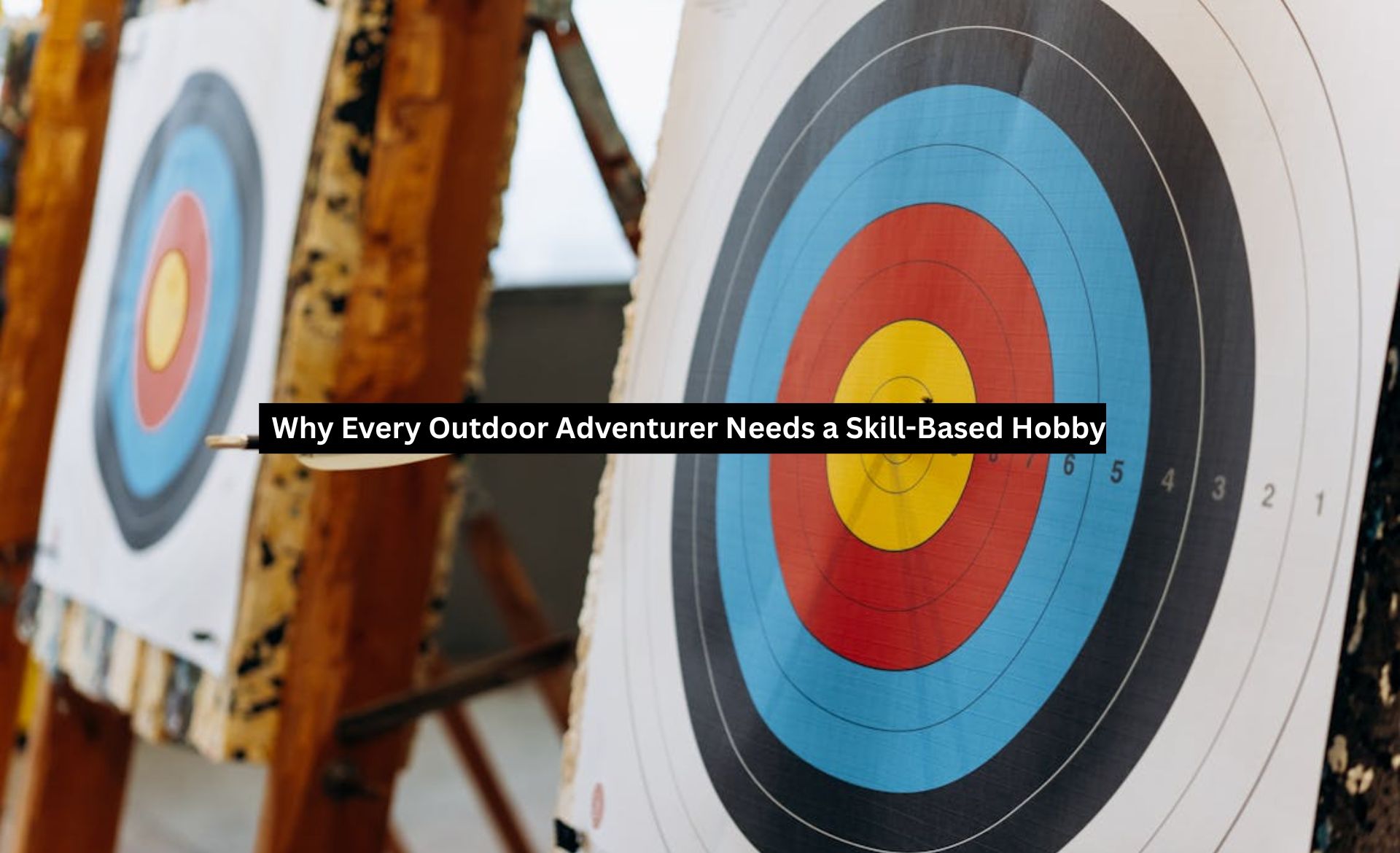
- Archery makes you pay attention to your breathing.
- Fly-tying turns you into someone who has patience for tiny, fussy details.
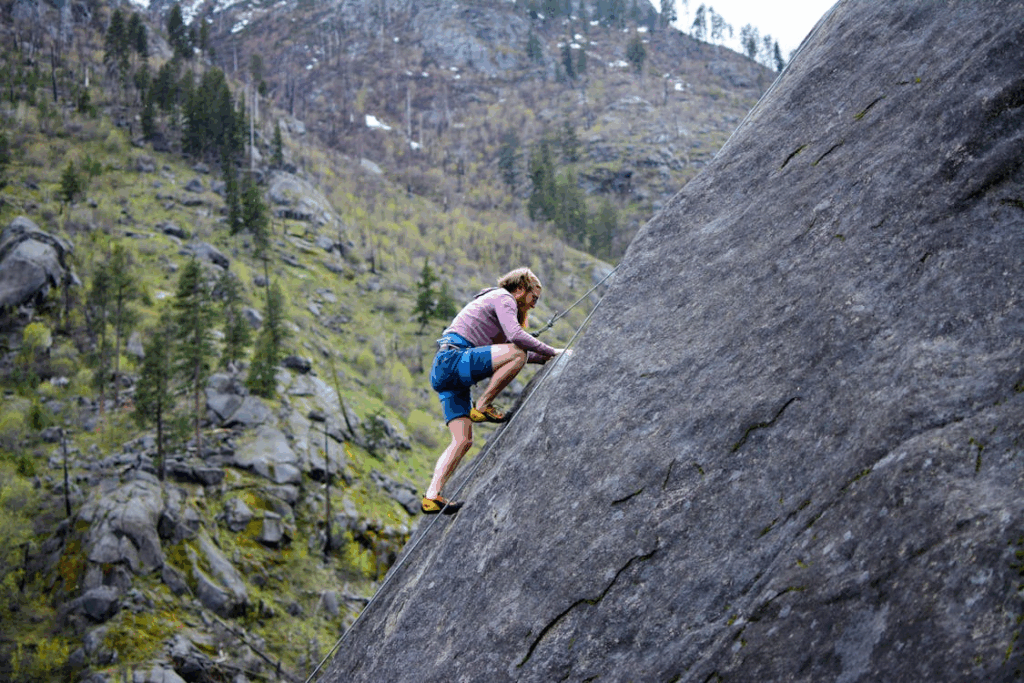
- Rock climbing puts you in situations where you have to figure things out while you’re hanging off a cliff.
The thing they all have in common is that psychological state where you’re totally locked in. The key to achieving this is to make sure whatever you’re doing is hard enough to be interesting but not so hard that you’re flailing. People who hit that zone regularly just seem to be in better moods and focus better overall.
There’s a community aspect to it, too. The person spotting you at the climbing gym, the guy at the range who’s been shooting for thirty years, and the friend who watches you botch a shot and tells you to go again help you become part of a community.
Mastery Makes the Backcountry Safer
Skills don’t fully eliminate risk, but they cut down on the mistakes you can actually prevent, like misreading weather, tying sloppy knots, or picking bad routes. Programs that drill fundamentals (planning, scenario practice, repeatable systems) see fewer avoidable mistakes and steadier outcomes when things wobble.
Take navigation as an example. Spending a weekend practicing contour lines pays off the first time fog rolls in and you can’t see the ridgeline anymore. It’s the same deal with companion rescue in avalanche terrain. When your hands have the muscle memory to know what to do without thinking, there’s less room for panic.
Picking a First Skill
The best place to start is wherever your genuine interest lines up with what you can actually get to:
- Archery: Clear feedback and measurable progress. Fitting draw length and caring for compound bow strings make sessions more consistent.
- Fly-tying: Micro-skills (thread control, proportion, and materials) you can refine at a desk, and then test on water.
- Route-setting/bouldering drills: Moving puzzles, such as body position, sequencing, and patience.
Come up with a training regimen: schedule two short blocks a week (25-40 minutes). This beats a monthly hero session. For each session, choose one thing to focus on.
When life gets messy, just shorten your training sessions, but always remember that consistency wins at the end of the day. And don’t forget, even if you are busy, there are online training options these days, even for physical activities.
Mechanics and Mental Health
Why do technical hobbies, like archery, feel grounding? They demand attention to detail so the mind stops doom-scrolling or stops playing online games and starts doing. Competence accrues in slices, and those slices add up slowly over time. You will notice big breakthroughs, but it’s important to recognize gradual progress too.
Read: Popular 5 Tom Ford Handbags For Women | Classy Yet Functional
A Quick Primer for Habits that Stick
- First, figure out why you’re doing this. “I want to feel steadier when things get stressful” is actually a better reason than just “I want to get good at something.”
- Then, pick what skill you’re going after. Go with something you can access easily and where you’ll know pretty quickly if you’re improving.
- Lock down when you’re going to practice. Put two regular time slots on your calendar and protect them like they’re important meetings.
- Plan out really small goals: One specific thing to fix, one drill to work on, and a quick debrief afterwards.
- Write it down. Even just one line works: “My release was rushed today, but timing my release with my breathing helped slow it down.”
- Every month or so, adjust one thing. Maybe shoot from a bit farther away, try harder bouldering problems, or extend your practice time slightly. Just don’t change everything all at once.
Staying Motivated
Motivation dips are normal. To reduce friction and burnout, you can:
- Make progress visible: A journal or simple streak shows you objective progress that you might otherwise miss.
- Invite play: Friendly rivalries can turn training sessions into exciting, competitive games.
- Join a club: Mentors, spotters, ride-shares, and hobby-wisdom can all be found in a club and will help you progress.
- Celebrate boring wins: Don’t overlook progress, no matter how small it might seem at first glance. The small wins are actually the big ones.
- Don’t be afraid to change how you do things: Whether your schedule changes or you have to nurse an injury for a while, be flexible enough to make changes. Inflexibility is more likely to lead to burnout.
Safety Footnote
Outdoor injury rates vary, but training reduces your risk. It reduces preventable missteps and improves responses when incidents happen. Nobody can eliminate risk completely. Practice just improves your odds of handling whatever comes up.
The Worthwhile Payoff
Skills build a specific kind of confidence. It’s not the loud, show-off type. It’s just solid confidence.
This stuff carries over into regular life, too. Your commute feels different when you’re reading the landscape like you’d read a map. Work meetings feel less overwhelming when you’ve trained yourself to focus on a target 40 yards away. Like an old guide once said, “When you actually learn a skill, you stop needing perfect conditions to feel confident.” The real superpower of hobbies is the quiet competence that nobody sees you building. It’s seen in the climber who rests before the pump, the angler who swaps tippet without grumbling when wind picks up, and the archer who slows the breath and trusts his connection with his compound bow strings. You don’t need a garage full of super expensive equipment for any of this. What you need is regular practice, reliable equipment, and something to write in.