








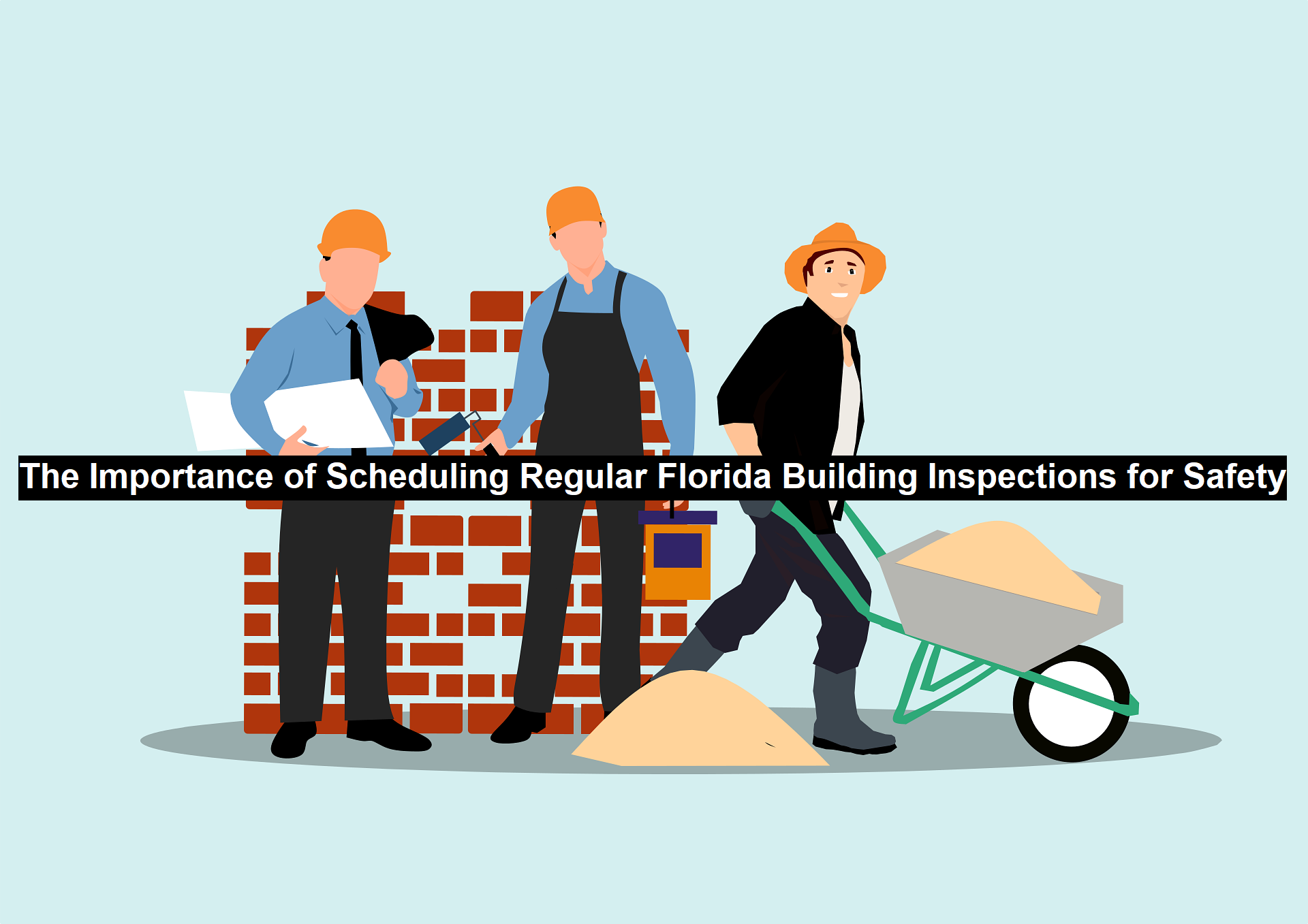
The Importance of Scheduling Regular Florida Building Inspections for Safety
Florida’s unique environment—marked by coastal humidity, salt-laden air, high winds, and the ever-present threat of hurricanes—places buildings under constant stress. Whether you’re a property owner, manager, or investor, ensuring structural integrity isn’t just about aesthetics or long-term value—it’s about safety. That’s why Florida Building Inspections are more than a regulatory requirement—they’re a critical component of risk mitigation and community protection.
In this article, we’ll explore why scheduling regular building inspections in Florida is not only wise but essential, especially in a state where Mother Nature doesn’t always play fair:
Understanding Florida Building Inspections
Florida Building Inspections refer to thorough assessments carried out by licensed professionals to evaluate the structural soundness, code compliance, and safety features of buildings across the state. These inspections can include evaluations of the foundation, roofing, electrical systems, plumbing, HVAC units, and overall structural integrity.
Florida’s climate and geographical features make inspections more critical than in many other states. From Miami to Tampa, Fort Lauderdale to Orlando, the risks are real—and the stakes are high.
Why Regular Inspections Matter
1. Hurricane Preparedness
Florida is no stranger to hurricanes. With a history of catastrophic storms like Hurricane Andrew and Hurricane Ian, building resilience is a top priority. Regular Florida Building Inspections can identify weak spots—like deteriorating roofs or corroded support beams—that may not withstand high winds or flying debris.
Inspections ensure your property can face the next storm season with greater confidence, potentially saving lives and minimizing property damage.
2. Structural Deterioration from Salt and Humidity
Florida’s coastal environment accelerates wear and tear, especially on buildings near the ocean. Salt in the air can corrode metal, while high humidity promotes mold growth and wood rot. Regular inspections can catch these issues before they become major hazards.
Early detection of rusted rebar, cracked stucco, or soft spots in wood structures through professional Florida Building Inspections helps prevent larger, costlier repairs in the future.
3. Compliance with Florida’s Building Code
The Florida Building Code is one of the most rigorous in the country, especially after the Surfside condominium collapse in 2021. New regulations demand timely and regular inspections, especially for aging buildings over 30 years old.
Failing to comply with these laws can lead to fines, loss of insurance, or worse—unsafe living conditions. Regular inspections lower liability and guarantee resident safety by ensuring your building stays compliant.
4. Preventing Costly Repairs
Many building issues start small: a minor leak, a hairline crack, or slight electrical flickering. Without regular inspections, these problems can snowball into expensive emergencies.
By scheduling annual or bi-annual Florida Building Inspections, property owners gain a proactive understanding of their building’s health. Tens of thousands of dollars in future water damage could be avoided by promptly fixing a minor roof leak.
5. Insurance and Liability Protection
Insurance companies are increasingly requiring up-to-date inspection reports, especially in high-risk areas of Florida. A well-documented history of inspections can reduce premiums and expedite claims.
From a legal standpoint, documented Florida Building Inspections can demonstrate due diligence in keeping a property safe, helping defend against potential lawsuits or liability claims.
Read: Natural Remedies for Liver Detox That Work
Types of Building Inspections in Florida
To fully protect your investment and occupants, it’s important to understand the types of inspections recommended or required in Florida:
a) 40-Year Recertification (Miami-Dade & Broward Counties)
Buildings 40 years and older must undergo this inspection, and every ten years they must be recertified. It includes both structural and electrical components. Other counties may soon follow similar protocols due to statewide safety concerns.
b) Structural Inspections
These focus on the building’s frame, load-bearing walls, foundations, and floors. They’re critical for identifying signs of settlement, rust, or foundational cracks.
c) Roof Inspections
With Florida’s intense sun and storms, roof inspections are a must. They evaluate the general soundness of the roof, drainage, flashing, and shingles.
d) Electrical & Plumbing Inspections
These guarantee the secure and effective operation of vital utility services. Outdated wiring or corroded pipes can pose major safety hazards.
e) Fire Safety Inspections
These check for functioning smoke alarms, sprinklers, fire exits, extinguishers, and emergency lighting. Particularly vital in multi-family and commercial properties.
Who Needs Regular Florida Building Inspections?
While every property benefits from regular assessments, here’s a breakdown of those who should prioritize inspections:
- Condominium Associations: Ensure safety of residents and reduce potential lawsuits.
- Commercial Property Owners: Stay compliant with regulations and avoid business disruptions.
- Landlords & Real Estate Investors: Maintain asset value and tenant safety.
- Homeowners: Especially those near the coast or with older homes.
- HOAs and Property Managers: Responsible for shared structural elements and legal compliance.
Choosing the Right Inspection Professional
Not all inspectors are equal. When booking a Florida Building Inspection, ensure your inspector is:
- Licensed and Certified in the state of Florida
- Experienced with local codes and environmental factors
- Well-reviewed and insured
- Equipped with modern tools like moisture meters, infrared cameras, and drones
Ask for a detailed report format in advance. A good inspector provides clear recommendations, photos, and urgency ratings for any issues found.
How Often Should You Schedule Inspections?
The answer varies based on the building’s age, location, and use:
- Residential Homes: Every 1–3 years
- Condos/Apartments (10+ years old): Annually or biannually
- Coastal Buildings: Annually due to salt exposure
- Commercial Properties: At least once per year
After any major storm, it’s also wise to schedule a follow-up inspection, even if no visible damage occurred.
Building a Culture of Safety
Scheduling regular Florida Building Inspections isn’t just about checking a box. It’s about building a culture of safety—where residents, tenants, and stakeholders know their environment is cared for.
A proactive approach also builds trust with tenants and clients, enhances your reputation, and ensures fewer surprises down the road.
Real-World Example: The Surfside Wake-Up Call
The collapse of the Champlain Towers South condominium in Surfside, Florida, shocked the nation. Years of deferred maintenance, ignored inspection warnings, and structural wear culminated in tragedy.
This disaster served as a wake-up call for property managers and lawmakers alike. It underscores how regular Florida Building Inspections could save not just buildings—but lives.
Final Thoughts
If you’re a property owner or manager in Florida, skipping inspections is no longer an option. Between shifting weather patterns, aging infrastructure, and updated regulations, the best way to safeguard your investment and community is through regular, professional Florida Building Inspections.
Don’t wait for a problem to reveal itself. Take the initiative—schedule that inspection, understand the report, and address issues proactively. In doing so, you’re not just protecting property—you’re protecting people.
Author’s Bio:
Ryan smith is a qualified content writer with experience in writing on a variety of subjects. He has written a lot of content on Speciality Engineering, Florida Building Inspection services and Structural Engineer as well.