










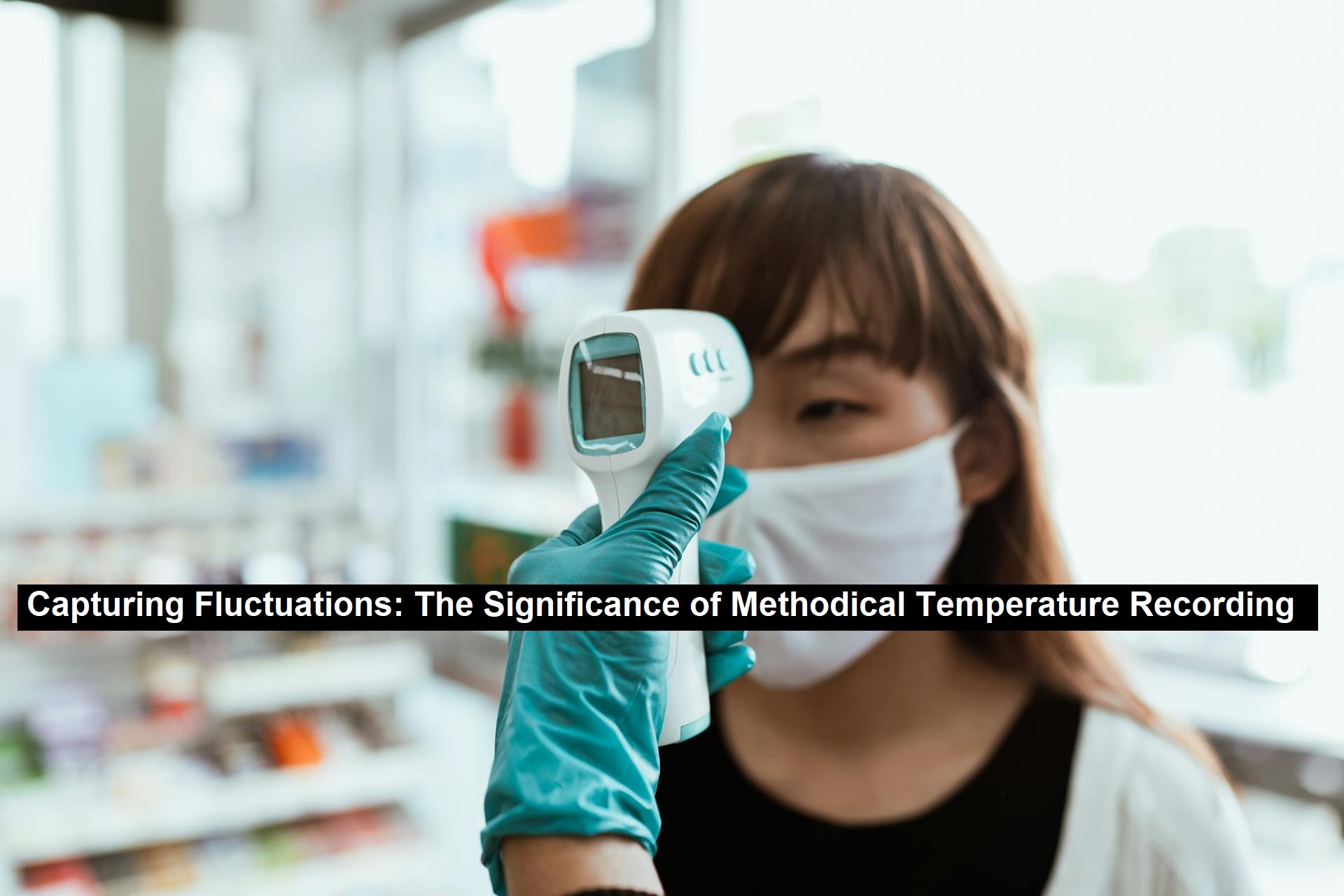
Capturing Fluctuations: The Significance of Methodical Temperature Recording
In the fields of science, medicine, agriculture, food safety, and climate research, accuracy and reliability are crucial. A apparently straightforward number at the heart of many data-driven choices is temperature. Even though they may appear straightforward, temperature changes can have a big impact on processes, goods, and people’s health. Therefore, obtaining accurate temperature readings is crucial for safety, quality assurance, and scientific precision. Data collection is only one aspect of it.
This blog explores the value of systematic temperature recording, how it affects various enterprises, what makes it crucial, and the tools and techniques that could ensure its correctness.
Understanding the Importance of Temperature Fluctuations
Temperature is one dynamic environmental variable. Numerous factors, including biological processes, equipment performance, time of year, and season, influence it. These differences are common, but in some circumstances, they can be very important. For example:
- In pharmaceuticals, a slight deviation in storage temperature can compromise drug efficacy.
- In food supply chains, improper cooling can lead to bacterial growth and foodborne illnesses.
- In scientific experiments, uncontrolled temperature variations can render results invalid.
- In climate monitoring, long-term temperature data helps understand global warming trends.
Therefore, it becomes essential to precisely record these oscillations in order to make timely, well-informed judgments as well as to understand the current situation.
Read: The Importance of Scheduling Regular Florida Building Inspections for Safety
Methodical Temperature Recording: What Is It?
Temperature recording refers to the systematic monitoring and recording of temperature over a specified period of time. A methodical approach comprises:
- Consistent intervals of data collection (e.g., every 5 minutes, hourly, daily).
- Use of calibrated, reliable instruments like thermocouples, RTDs, infrared sensors, or data loggers.
- Recording data in standardized formats, often linked with time stamps and sometimes location tags.
- Reviewing and analyzing trends to detect anomalies or patterns.
In addition to being readily available, this methodical approach guarantees that the data is accurate, intelligible, and helpful for research, audits, and compliance.
Applications of Temperature Recording Across Industries
1. Healthcare and Pharmaceuticals
Accurate temperature control is crucial in labs, hospitals, and operating rooms. For instance, vaccines must be kept under strict temperature control in a cold chain. Deviations could render them ineffective or dangerous.
In this case, meticulous temperature recording ensures:
- Compliance with regulations established by agencies like the FDA or WHO.
- Assurance of the safety and effectiveness of medications.
- Precise laboratory sample storage and culture.
2. Food Industry and Cold Chain Management
Food must have its temperature carefully controlled from farm to fork to prevent bacterial contamination and rotting. Whether it’s being cooked, chilled, or delivered, every detail matters.
With proper temperature recording:
- Perishable goods maintain freshness.
- Safety standards like HACCP (Hazard Analysis and Critical Control Points) are met.
- Recalls due to contamination risks can be minimized or avoided.
3. Climate and Environmental Monitoring
To understand changes in the environment, temperature must be recorded. Scientists use long-term data to study ecological consequences, model climate patterns, and forecast weather.
Key benefits include:
- Real-time monitoring of global temperature trends.
- Tracking extreme weather events.
- Supporting policy-making for environmental protection.
4. Manufacturing and Engineering
Industrial activities often require specific temperature limits. For example, when metals, polymers, or electronics are manufactured, incorrect temperatures may lead to energy inefficiencies or product defects.
Methodical recording allows:
- Automation of processes through control systems.
- Quality assurance in production lines.
- Safety monitoring in high-heat environments.
Benefits of a Methodical Approach to Temperature Recording
1. Accuracy and Consistency
Guesswork is eliminated by regular and trustworthy recordings. As a result, stakeholders can act with confidence on reliable data.
2. Compliance and Traceability
Regulatory agencies usually want documented proof of environmental conditions. Temperature logs offer an open record for audits and inspections.
3. Risk Management
Early detection of anomalous temperature patterns can prevent costly damage. Whether the problem is a failing refrigeration unit or a broken HVAC system, alerts based on recorded data help minimize losses.
4. Operational Efficiency
Gaining insight into the location and timing of temperature issues may lead to better maintenance plans, more efficient energy use, and enhanced operation.
Tools and Technologies for Temperature Recording
Manual thermometers are no longer the only way to record temperatures in the modern world. These are a few well-liked tools:
- Data loggers: Handheld gadgets that take temperature readings automatically at predetermined times. A lot of them have wifi or USB connectivity.
- Internet of Things (IoT) sensors: These intelligent sensors provide data in real time to cloud systems, enabling remote monitoring and immediate notifications.
- Thermal cameras: Used to identify hot or cold regions during building and industrial inspections.
- Integrated Monitoring Systems: These systems monitor, record, and report temperature across several zones or shipments, particularly in the food and pharmaceutical industries.
By reducing human error and improving recording quality, these solutions guarantee more compliance and more useful insights.
Best Practices for Implementing Temperature Recording Systems
- Choose the Right Equipment
Match your recording tools to the sensitivity and frequency needed. A high-risk environment like vaccine storage requires higher precision and reliability than ambient room monitoring. - Calibrate Instruments Regularly
Even digital sensors drift over time. Regular calibration ensures accuracy. - Train Personnel
Ensure that the team understands how to operate equipment, interpret data, and respond to anomalies. - Automate Where Possible
Automated systems reduce labor, eliminate manual errors, and often include alert mechanisms for real-time action. - Review and Analyze Data
Don’t just collect data—use it. Trends over time can highlight process inefficiencies, seasonal changes, or upcoming failures.
Challenges in Temperature Recording and How to Overcome Them
- Data Gaps: Caused by power outages, dead batteries, or sensor malfunctions. Use redundant systems or backup power.
- Human Error: Incorrect readings or poor documentation. Solve this with automation and clear SOPs.
- Sensor Placement: A sensor placed in the wrong location may give misleading data. Ensure correct positioning based on environmental flow.
Overcoming these challenges requires a mix of technology, training, and continuous improvement.
Conclusion:
When properly recorded and studied, temperature has a substantial impact despite being a basic number. Systematic temperature tracking connects reactive troubleshooting and proactive decision-making. Whether you are monitoring a greenhouse, conducting a cold chain, or conducting significant research, this seemingly simple process might mean the difference between success and failure.
As more and more industries depend on data, the demand for accurate and trustworthy temperature records will only grow. Future safety, quality, compliance, and peace of mind are ensured by investing in the right tools and processes now.
Author’s Bio:
David William is a qualified content writer with experience in writing on a variety of subjects. He has written a lot of content on Humidity Log, Temperature Recording and Wifi Temperature Monitor services as well.