







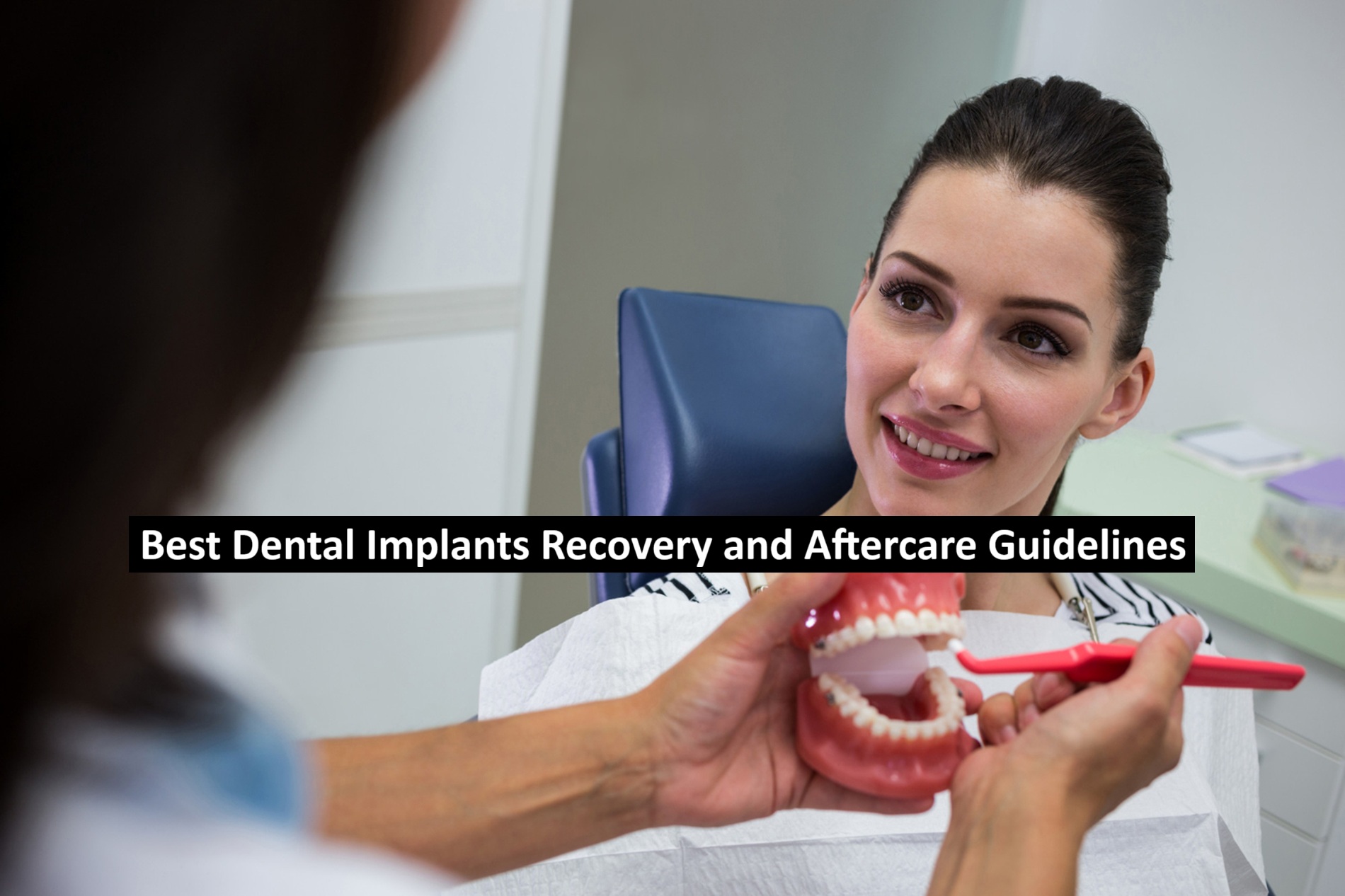


Best Dental Implants: Recovery and Aftercare Guidelines
Dental implants, which provide a long-lasting and aesthetically pleasing replacement for lost teeth, have completely transformed modern dentistry. Implants can improve your dental health, restore your smile, and boost your self-esteem regardless of whether you lost a tooth because of trauma, gum disease, or decay. The success of your recovery and post-operative care plan, however, depends on more than simply the operation yielding the greatest results.
In this guide, we’ll cover all you need to know about dental implant recovery, including recovery plans, post-operative care, nutrition, and professional follow-up care.
Understanding Dental Implants
To replace a lost tooth root, a dental implant is a small titanium post that is surgically inserted into the jaw. The process by which the implant and bone progressively unite to create a stable foundation for a crown, bridge, or denture is known as osteointegration.
Dental implants are popular because they:
- Look and feel like natural teeth
- Preserve jawbone health and prevent bone loss
- Improve chewing and speech functions
- Offer long-term stability and durability
However, the healing process is essential to achieving these benefits — and it requires patience, proper care, and follow-up with your dentist.
The Dental Implant Recovery Schedule
Individual differences in bone density, implant type, and general health all affect recovery. A general timeframe of what to anticipate is as follows:
1. First 24–48 Hours: Managing Initial Discomfort
You can have slight bleeding, discomfort, or swelling following your dental implant procedure. These are normal symptoms that usually go away in a few days.
Tips for this stage:
- Rest well: Avoid strenuous activities for at least 24 hours.
- Ice packs: Apply ice packs on your cheek for 15-minute intervals to reduce swelling.
- Pain management: Take prescribed painkillers or over-the-counter medication as recommended by your dentist.
- Avoid disturbing the area: Do not touch or poke the surgical site with your tongue or fingers.
2. First Week: Healing and Adjusting
By the first week, the soreness and swelling should start to go away. During this period, your body begins to create new bone cells around the implant.
Guidelines for aftercare:
- Eat only soft meals, such as oats, yogurt, mashed potatoes, and smoothies.
- Foods that are hot, spicy, or crunchy should be avoided since they may exacerbate the surgical site.
- After eating, wash your mouth gently with a saltwater solution to maintain good oral hygiene (avoid mouthwash that contains alcohol).
- Use a soft-bristled toothbrush to carefully scrub the area surrounding the surgery.
3. 2 to 6 Weeks: Osseointegration Phase
During this critical healing phase, your jawbone joins the implant. Your bone cells are growing beneath the surface and securely adhering the implant, even though you might not perceive anything.
What to expect:
- You’ll have periodic follow-up appointments with your dentist to monitor healing.
- Avoid smoking and alcohol consumption, as they can interfere with bone growth.
- Maintain excellent oral hygiene — infections at this stage can compromise the implant.
- Continue eating nutrient-rich, soft foods such as soups, eggs, and smoothies to support tissue regeneration.
4. 3 to 6 Months: Final Integration
Depending on your bone density and overall health, complete osseointegration may take three to six months. Your dentist will connect the crown and abutment, which are the visible portions of your new tooth, when the implant has properly fused.
By now, you should be able to eat and talk with confidence again because your implant should feel comfortable and natural.
Read: Understanding the Importance of Regular Car Inspections
Essential Aftercare Guidelines for Long-Term Success
To ensure your dental implant lasts for decades, proper aftercare is non-negotiable. Here are the top recommendations from dental experts:
1. Preserve Superior Dental Hygiene
Although dental implants cannot deteriorate, diseases like peri-implantitis, which is comparable to gum disease, can still infect the surrounding gum tissue. To stop this:
- Brush at least twice daily using a soft-bristled toothbrush.
- Floss gently around the implant area or use an interdental brush to remove debris.
- Consider using an antibacterial mouthwash recommended by your dentist.
Good oral hygiene ensures your implant stays healthy and your gums remain strong.
2. Eat a Balanced, Implant-Friendly Diet
Your recuperation is greatly influenced by your diet. Eat foods that are easy to chew and high in vital nutrients as your body heals.
Recommended foods:
- Soft fruits like bananas, peaches, and berries
- Steamed vegetables and soups
- Protein sources such as eggs, fish, tofu, and beans
- Calcium-rich foods like yogurt and milk
Avoid sticky candies, hard nuts, or chewing ice — these can stress or damage the implant area.
3. Avoid Smoking and Alcohol
Smoking is one of the primary causes of implant failure. Nicotine decreases blood flow, delays healing, and increases the risk of infection. Alcohol, on the other hand, might hinder bone growth and repair.
Aim to quit smoking at least two weeks prior to and after surgery for optimal outcomes.
4. Attend Regular Dental Check-Ups
Routine follow-ups are necessary to monitor your implant’s stability and ensure your gums remain healthy. Following implant placement, the majority of dentists advise examinations every six months.
To verify bone integration and make sure there are no indications of infection or tension surrounding the implant, your dentist may utilize X-rays.
5. Use a Night Guard (If Needed)
Your implants may experience pressure if you have bruxism, a disease in which you grind your teeth. By wearing a bespoke night guard, you may shield your implant and avoid possible harm to your natural teeth and jaw joints.
Dental Implant Long-Term Maintenance
Your dental implants can last 20 years or longer, or even a lifetime, if you take good care of them after they have fully healed. To maintain your grin bright and robust, follow these regular routines:
- To keep your implant crown from getting scratched, use non-abrasive toothpaste.
- Drink plenty of water to encourage saliva production, which in turn shields your gums.
- Limiting sugary snacks that can lead to plaque accumulation or gum inflammation is advised.
- Arrange for expert cleanings at least twice a year.
A dental implant is an investment in your confidence and oral health, so keep that in mind. For many years, they will serve you admirably if you take care of them like your actual teeth, or even better.
Final Thoughts
In addition to providing an aesthetic repair, dental implants also give comfort, stability, and a boost in self-esteem. However, careful recuperation and continued maintenance are crucial to their success.
You can enjoy the Best Dental Implants for many years if you follow your dentist’s recommendations, practice good hygiene, and adopt healthy habits. With patience and consistent care, you will soon be able to smile, eat, and live with confidence again.