










Understanding the Importance of Regular Car Inspections
Routine car inspections and diagnostics are the foundation of responsible car ownership. For every professional auto repair establishment, routine inspections are not a nicety—they’re a necessity. Inspections identify minor issues before they turn into costly repairs, ensure your safety on the road, enhance fuel efficiency, and assist in keeping older, high-mileage vehicles running reliably for years.
This blog summarises what inspections and diagnostics are, why they’re necessary, what to inspect, and the action steps drivers and auto repair shops need to take.
What Vehicle Inspection and Diagnostics truly are
Vehicle inspection is a thorough, professional examination of a vehicle’s most important systems for safety and regulatory reasons. An auto repair facility inspects brakes, tyres, lights, windshield wipers, steering and suspension parts, fluid levels, the condition of the battery, and rudimentary safety systems.
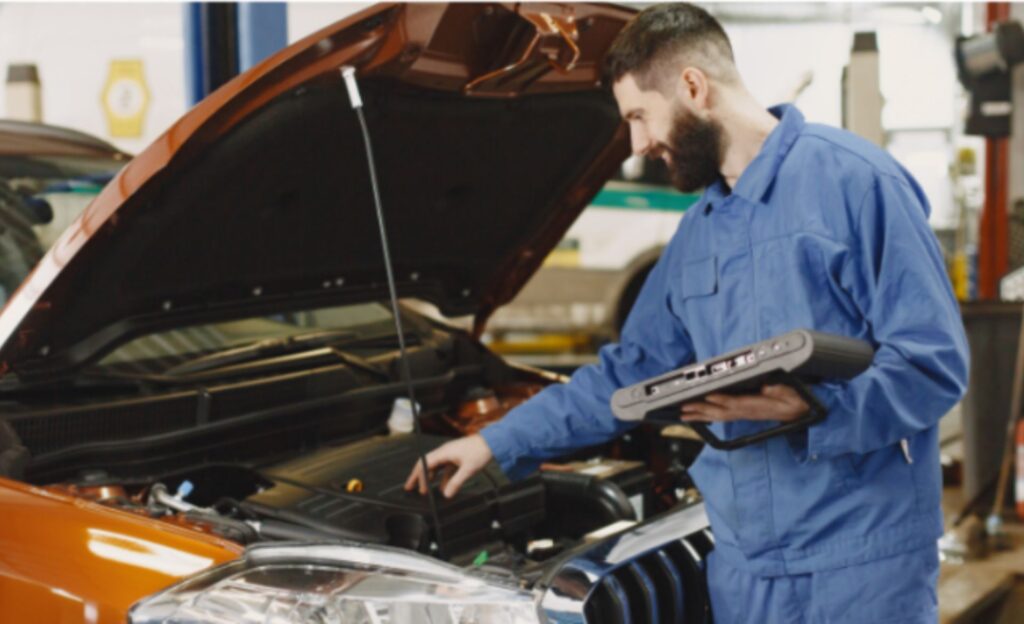
Diagnostics takes it a step further: it pulls fault codes out of the engine control module, transaxle module, ABS, and so on, with electronic tools and OBD readers. Diagnostics reveal issues not always apparent in a visual inspection—like intermittent misfires, sensor malfunctions, or impending transmission failure.
“An inspection tells you what’s visible; diagnostics tells you what’s hiding.” — an easy-to-remember fact all technicians attest to.
Five main reasons regular inspections are important to car repair shops and drivers
Safety first
Regular inspections guarantee vital safety equipment—lights, brakes, tyres, steering—is functioning properly. A car repair shop can find tired brake pads, cracked brake lines, or worn tread, and repair them before a hazardous situation occurs. Safety is the single best reason for inspections: an inexpensive, preliminary repair will avoid a disaster.
Prevents costly repairs
Minor problems snowball. A small fluid leak has resulted in engine or transmission failure. Inspections and diagnostic testing catch these issues before they become large problems and ensure that repair bills remain low. Preventive maintenance done in an auto repair shop costs less than reactive, emergency repairs.
Extends vehicle life
Vehicles that are serviced from time to time and kept in good condition at the appropriate time tend to survive longer. Parts like timing belts, water pumps, and suspension components are mileage-based; their removal before keeps the engine in good condition and overall shape. Maintenance for high-mileage vehicles is needed to maximise the usage of remaining life.
Enhances fuel efficiency
Most minor issues—low tyre pressure, misfiring cylinders, dirty air filters—worsen gas mileage. A car repair establishment can have the engine tuned, bring tyre pressure to level, and install new filters, adding miles and saving fuel dollars at the pump.
Reduces emissions and remains legal
Regular inspections ensure your vehicle is emissions-legal. A bad sensor, neglected engine, or exhaust leak will raise poisonous emissions. Regular inspections find emission issues so an auto repair shop can fix them and keep you from getting a fine.
High mileage vehicles: why more care is necessary
High-mileage vehicles—typically those at or above 100,000 miles—follow common patterns of wear. The engine, transmission, suspension, and electrical systems are more prone to issues.
Common high-mileage problems are:
- Oil leaks and burning oil
- Transmission slippage or fluid leakage
- Worn timing belts or chains
- Exhaust corrosion and leaks
- Suspension wear and bushing wear
- Lower fuel economy and higher emissions
Because these vehicles don’t have so much margin for error, an auto repair garage must examine them more often. “For high mileage vehicles, an ounce of prevention is worth a pound of cure,” is one proverb that best applies here.
The worst offending regions that an auto repair garage should check on every visit.
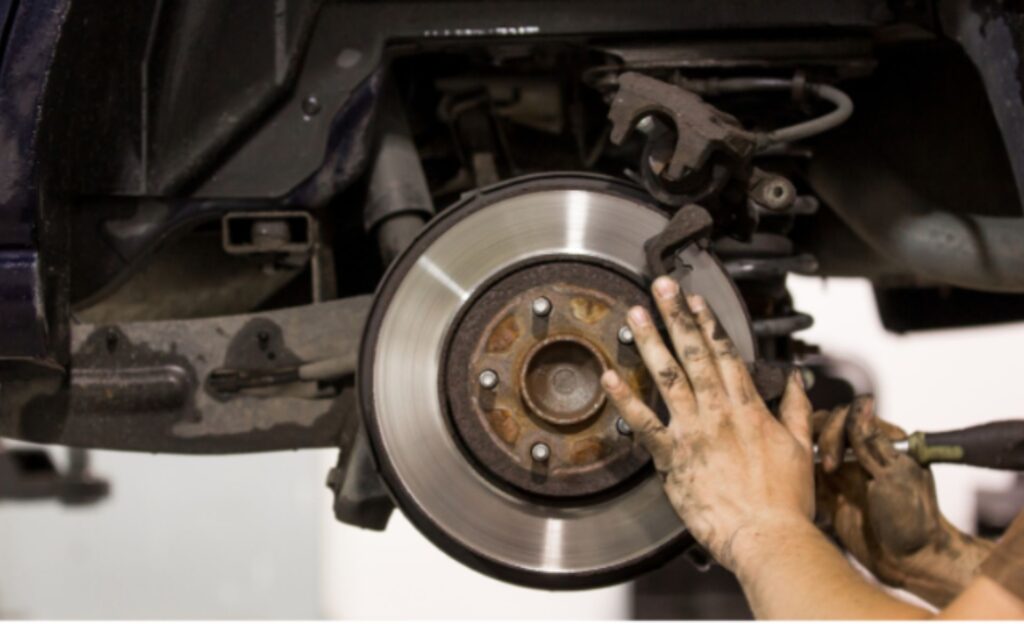
A proper check should include both safety-critical and reliability-affecting, efficiency-affecting parts. Routine checkpoints are:
- Brakes: pads, rotors, callipers, brake fluid level and condition.
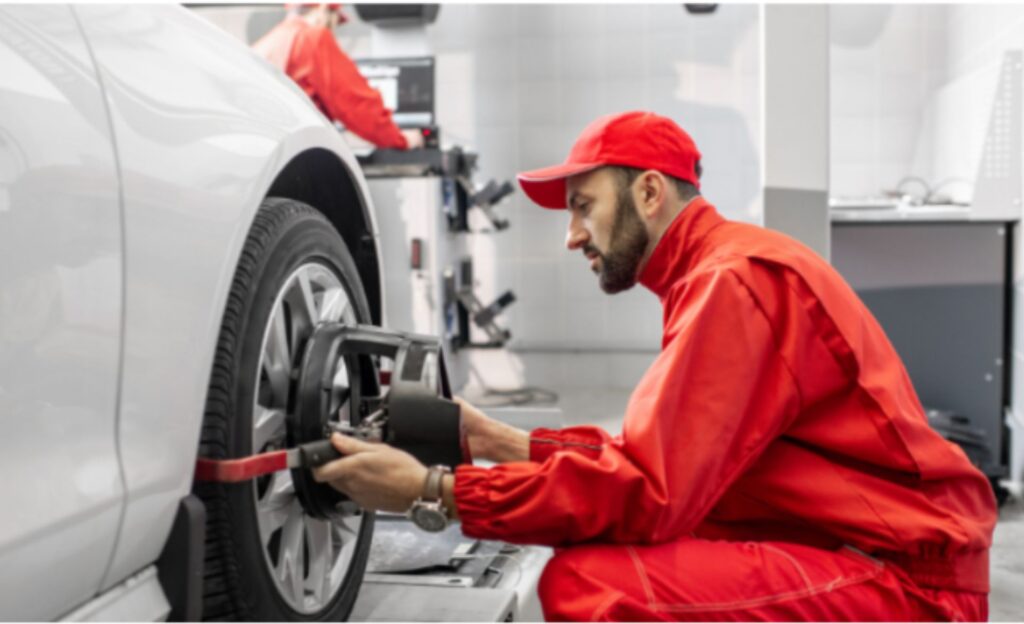
- Tires and wheels: tread depth, evenness of wear, alignment, and proper inflation.
- Engine: oil levels, leaks, belts, hoses, and strange noises.
- Transmission: transmission fluid level and condition, diagnostic trouble codes.
- Battery and charging: battery condition, alternator output, and terminal corrosion.
- Lights and electrical systems: headlights, taillights, turn signals, and interior warning lights.
- Suspension & steering: shocks, struts, bushings, and steering play.
- Exhaust and emissions: catalytic converter, oxygen sensors, and leaks.
- Fluids: brake fluid, power steering fluid, differential oil, coolant.
Visual inspection and diagnostic scanning are both used by auto repair shops. Using both means something is not missed.
Preventive maintenance vs. reactive repairs
Preventive maintenance is planning for inspection and wear item replacement prior to failure. Reactive repairs only occur after a breakdown—typically more costly, less convenient, and possibly dangerous.
Examples:
Brake pad replacement at planned mileage (preventative) vs. warped rotor replacement after roadside breakdown (reactive).
Routine change of engine oil and filters vs. engine repair after starving oil damage.
Cost estimation is obvious: maintenance on a regular schedule at a well-established auto repair shop typically costs a lot less than crisis repairs and downtime.
The true dollar cost of doing nothing
Doing nothing with inspections costs more in three ways:
Short-term emergency repair expenses — breakdowns might result in tow and hurried, high-cost parts and labour.
Long-term harm — tiny problems that cause wear (e.g., low coolant operation) can reduce engine life.
Lowered resale value — sellers and dealerships like vehicles with documented maintenance records from professional auto repair facilities.
An exceptional service history from an auto repair facility will maintain passenger safety and resale value.
Safety, hazard detection, and prevention of accidents
Regular inspections minimise the likelihood of accidents by keeping brakes, tyres, steering, and lights in proper working condition. Car repair shops assist in identifying concealed dangers—such as a crack in a brake line or malfunctioning ABS module—prior to becoming functioning hazards. “An inspected vehicle is a trusted vehicle” might serve as a slogan for cautious drivers.
Environmental advantages of regular inspections
Well-maintained vehicles consume fuel more effectively and produce fewer pollutants. Auto body repair shops are making us environmentally conscious by:
Repairing emission defects
Providing proper fuel burning and catalytic converter functionality
Providing tips for maintaining fuel economy (air filters, tyre pressure)
This small step is taking us towards cleaner air and a smaller carbon footprint.
Read: Daily Rituals with Tea and Coffee: A Lifestyle Perspective
How frequently do high-mileage cars need to go to an auto body repair shop?
For heavy mileage vehicles, inspection intervals should be shortened.—typically every 3,000 to 5,000 miles for oil and routine maintenance, and full inspections at least twice yearly or every 6,000–10,000 miles, depending on use.
In addition:
- Inspect before prolonged travel.
- Respond immediately to dashboard warning lights, unusual sounds, or fluid loss.
- Regular condition-driven inspections (city/hwy, climate, tow/load duty) will maintain high-mileage vehicles in the best condition.
Practical tips for car owners and how to get an auto repair shop
Keep a service history: record dates, mileage, and work done.
It helps the shop to diagnose patterns.
Get familiar with simple checks: tyre pressure, oil level, and lights. Quick checks that augment professional inspections.
Get the diagnostic printouts: a quality auto repair facility will explain fault codes and recommended repairs.
Repair safety items first: brakes, tyres, steering, and lights.
Take some time to locate a speciality high-mileage car inspection checklist so you don’t forget anything.
“Caring is a vow you take to your car—and to yourself.” — a healthy reminder that maintenance prevents regret.
Conclusion: maintenance is an investment, not a cost
Periodic inspections and diagnostics are the key to safe, efficient, and long-term car ownership. In high-mileage vehicles, especially, a preventative relationship with an experienced car repair facility keeps the car running and saves money in the long term. Whether your concerns are safety, cost, or the environment, periodic inspections pay dividends.
If there is a single message, this should be it: accepting inspections as a time-limited requirement—and not every so often a foul-tempered annoyance—makes your vehicle a reliable, effective travelling companion on the roads. A properly serviced vehicle is more than a vehicle; it is peaceful security.
Author’s Bio:
Megan Davis is a seasoned automotive author who thoroughly enjoys writing about car care and repair. She is an expert in developing informative articles, blog posts, and more that educate drivers on the best practices of Car repair shop in Springfield.